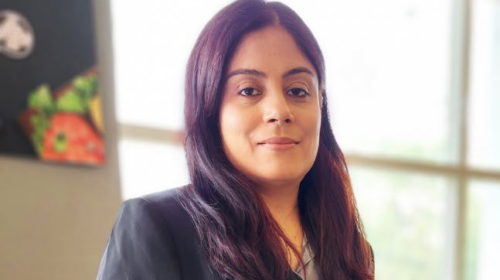
At BrilliantRead Media, we always strive to bring meaningful and powerful stories from India and around the world to empower and motivate our growing community. As part of this endeavour, we invited Nidhi Arora for an exclusive interview with us. Nidhi is a Life Coach, Mentor, Speaker, Transformational Trainer and Facilitator who helps individuals and groups move from overthinking and emotional overwhelm to greater clarity, self-trust, and meaningful growth.
Through one-to-one coaching, group coaching, talks, and interactive learning experiences, her work focuses on helping people strengthen emotional awareness, make aligned decisions, and create lasting change in both their personal and professional lives. Let’s learn more about her background, journey and her advice for our community!
Excerpts from our exclusive interview with Nidhi:
What experiences shaped your philosophy as a life coach, and what led you to focus on clarity, self-trust, and personal growth?
I did not become interested in coaching because I believed people lacked ambition or potential. If anything, I noticed the opposite.
Many people I met were intelligent, self-aware, capable, and genuinely wanted to grow. Yet they often felt overwhelmed, stuck, disconnected from themselves, or unable to move despite knowing what they needed to do.
Over time, I became increasingly interested in understanding what sits between awareness and action. What I discovered was that the challenge is often not a lack of information. Many people already know more than they realise. The harder part is being emotionally honest, trusting themselves, making difficult decisions, and staying with the discomfort that growth sometimes brings.
That shaped the way I coach today. My work focuses on helping individuals slow down enough to hear themselves clearly, build self-trust, and move from overthinking into meaningful action and sustainable personal growth.
To me, growth is not becoming someone else. It is becoming more honest about who you already are and acting from that place.
Life coaching is becoming more visible today, but it is still often misunderstood. How do you explain the difference between life coaching and therapy, and who benefits most from coaching?
I see therapy and coaching as different forms of support with different purposes, and both can be deeply valuable.
Therapy often helps people understand, process, and work through emotional experiences, mental health concerns, or patterns connected to the past. Coaching, on the other hand, is more future-focused.
It helps people understand where they are today, what is getting in the way, and how they want to move forward.
As a coach, my role is not to diagnose, treat, or replace therapy. My role is to create space for reflection, challenge limiting patterns, ask better questions, and help people move toward greater clarity, confidence, and intentional action.
Coaching tends to be especially helpful for individuals who are functioning well in many areas of life but still feel stuck, uncertain, emotionally overwhelmed, disconnected from themselves, or unable to translate insight into action.
Many people today feel stuck despite having access to opportunities, information, and self-help resources. Why do you think this is happening?
Because information and transformation are not the same thing.
Today, people have access to more advice, tools, books, and self-help content than ever before. But awareness alone rarely changes behaviour.
Many people understand their patterns intellectually but avoid processing emotions, making difficult decisions, setting boundaries, or accepting uncomfortable truths.
We also live in a culture that rewards constant optimisation. People keep collecting more information, hoping that one more insight will finally make action feel easy.
But growth does not usually happen because we find perfect answers. It happens when we become willing to tolerate uncertainty and trust ourselves enough to move forward before feeling completely ready.
Sometimes people do not need more information. They need more honesty with themselves.
You often talk about self-awareness, clarity, and growth. How do these ideas connect in real life, and where do people usually get stuck?
To me, self-awareness, clarity, and growth are not separate ideas. They build on each other.
Self-awareness is the ability to notice your thoughts, emotions, behaviours, and patterns honestly. Clarity comes when you begin understanding what those patterns are actually telling you. Growth happens when you act on that understanding.
Where many people get stuck is in the transition between awareness and action.
Someone may know they are staying in situations that drain them. They may know they struggle with boundaries, avoid difficult conversations, or keep doubting themselves. But awareness alone does not automatically create change.
That is where self-trust becomes important. Without self-trust, people stay in analysis. They gather insight after insight but struggle to move.
Real growth begins when people stop asking only, “Why am I like this?” and start asking, “What would acting in alignment with myself look like now?”
What are the most common emotional or mental patterns you see in people who want change but struggle to move forward?
One pattern I see very often is overthinking disguised as responsibility.
People tell themselves they are being careful, but underneath, there is often fear of making the wrong decision.
Another common pattern is emotional avoidance. Many people believe they need more clarity, but what they actually need is to feel emotions they have been postponing, accept difficult truths, or let go of identities and expectations that no longer fit.
I also see a lot of self-doubt in capable and thoughtful people—not because they lack ability, but because they have stopped trusting themselves.
And finally, I see people waiting to feel completely ready before acting. That moment rarely comes.
Confidence and clarity are often built through action, not before it.
If someone feels completely lost or overwhelmed right now, what are the first three steps they can take to regain clarity and move forward?
First, pause the pressure to solve everything immediately.
When people feel overwhelmed, they often try to fix their entire life at once. That usually creates more noise. Instead, ask yourself: What feels heaviest right now?
Second, become honest before becoming productive. Ask:
– What have I been avoiding?
– What truth am I resisting?
– What decision have I been postponing?
Clarity often appears when honesty increases.
Third, take one small aligned action. Not a dramatic life change. Send the message. Have the conversation. Set one boundary. Make one decision.
Meaningful growth is usually built through small acts of honesty repeated consistently over time.
Why do some people consume endless self-help content and still struggle to create lasting change?
Self-help can be incredibly valuable. Many people begin important journeys because something they read or watched made them feel seen.
But insight and implementation are different things.
Today, it is easy to stay in learning mode and feel productive without actually changing anything. People collect frameworks, save posts, listen to podcasts, and understand themselves better intellectually. But understanding alone does not automatically change behaviour.
Real change asks for something harder. It asks for emotional honesty. It asks people to sit with discomfort, make decisions, set boundaries, and act before they feel fully ready.
At some point, growth shifts from consuming more information to building trust in yourself and taking small but consistent action. That is often where transformation begins.
Can you share an experience from your coaching journey that changed the way you think about growth?
One experience that stayed with me was working with someone who believed they had a motivation problem.
They had read extensively, reflected deeply, and tried many approaches to move forward, yet still felt stuck and frustrated with themselves.
As we worked together, it became clear that the issue was not a lack of ambition or discipline. It was emotional exhaustion, self-pressure, and a fear of making imperfect decisions.
What changed things was not a dramatic breakthrough. It was learning to trust themselves again and taking small actions consistently instead of waiting to feel certain.
That experience reinforced something I continue to believe: people are often far more capable than they think. Sometimes what they need is not more pressure. They need space, clarity, and support to reconnect with themselves.
Beyond individual coaching, you also work in group and learning environments. What changes when people grow together?
Individual coaching creates depth. Group environments create reflection through shared experiences.
Whether in organisations, educational spaces, or group programs, people often realise they are carrying challenges that are more human and universal than they thought.
Group conversations create perspective, accountability, connection, and collective growth.
There is something powerful about seeing your own experience reflected in others. It helps people feel less isolated and more supported in their growth journey.
In the age of social media, comparison and anxiety seem unavoidable. How can people protect their emotional well-being and confidence?
One of the biggest challenges today is that people are constantly exposed to outcomes while rarely seeing the reality behind them.
We compare our internal experience with someone else’s highlight reel and then assume we are behind. That comparison quietly affects confidence, decision-making, and emotional well-being.
One practice I encourage is becoming more intentional about what you consume. Ask yourself:
Does this make me feel inspired, or does it make me feel inadequate?
Another important shift is remembering that growth is personal.
You do not need to grow at someone else’s speed. You do not need to build your life according to someone else’s timeline.
Confidence grows when people spend less energy proving themselves and more energy understanding themselves.
If you could leave readers with one message about growth, clarity, and moving forward, what would it be?
If you feel stuck right now, I want you to know this:
Feeling stuck does not always mean you do not know what to do. Sometimes it means you already know, and something inside you is finding it difficult to trust the next step.
Growth is not becoming fearless. It is learning to move with honesty, even when things are uncertain.
You do not need to have everything figured out. You do not need to become a completely different person.
Start with one honest conversation. One aligned decision. One small step.
Clarity is not always found before action. Sometimes it appears because of it.
At BrilliantRead, we don’t just share startup stories; we bring you journeys that challenge perspectives, spark ideas, and fuel ambition. Every story we feature is carefully chosen to add real value, inspire action, and ignite possibility within our growing community of entrepreneurs and dreamers.
If you have a powerful story, one that can inspire, educate, or create impact, we want to hear from you.